
My first piece of birthday cake
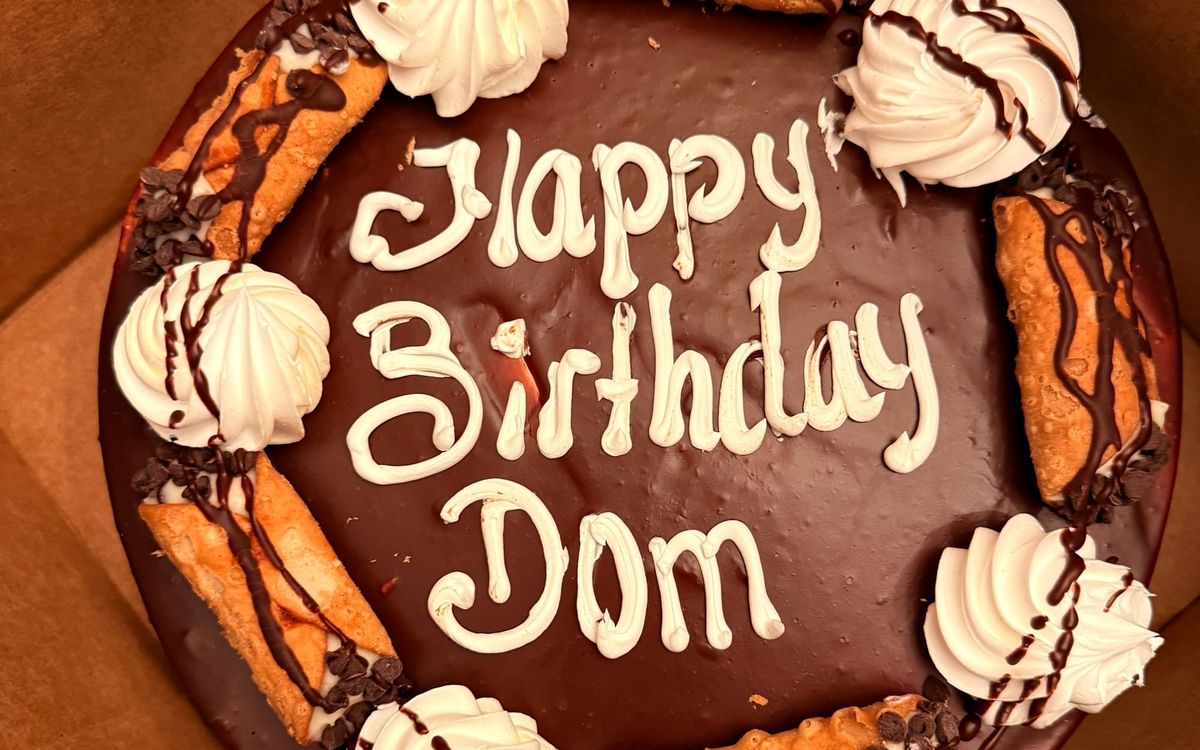
Yesterday was a big day for me. It was the first birthday since I turned 18 that I had a piece of birthday cake.
My wife was very excited to get me the cake of my dreams, which was a cannoli cake from this Italian bakery north of Atlanta. And I can’t begin to tell you how good it was—how good it was taste-wise, but also how good it was to choose to just enjoy a piece of cake on my birthday. I shared a few months ago that this is the first year in my life that I have been free from disordered eating, and the word free is really important because it really does feel like freedom.
When I was 18, I joined what I believed was a program for recovery from “food addiction.” For 16 years, I did everything I was required to do perfectly: didn’t eat a single bite of flour of any kind, including almond flour or chickpea flour or anything like that, or sugar of any kind, including honey or agave any kind of natural sweetener. I weighed and measured every single meal on a scale — three per day, with nothing in between. It was a rule in that program that you follow the food plan that your sponsor gives you and that you weigh your food exactly. So if your sponsor tells you it’s 6oz of something or 4oz of something, you have 6.0 or 4.0 on the scale. Even knowingly eating 6.1oz sends you back to day one for your abstinence, or sobriety. You cannot take “your will” back. You surrender anything to do with food to an unqualified sponsor to decide what you eat. You do your higher power’s will, which is apparently to be abstinent from flour and sugar and to weigh and measure your food every single day. When I joined at 18, I lost 130 pounds in one single year just by doing that with my food and not a single minute of exercise. I ate the food plan perfectly every single day for 16 years, and I thought I had freedom. But what I started to learn and realize was that what I was doing was not healthy. It wasn’t healthy nutritionally, but it also wasn’t healthy mentally. And I started to realize that I was in what some might call either a high-control group or a cult. Because it wasn’t just about the perfection of the food. It was about doing what your sponsor or sponsor’s sponsor or sponsor’s sponsor’s sponsor tells you to do. You could drink almond milk but you couldn’t eat almonds. For a long time, many people couldn’t have beans as a protein. No rice cakes, even though the only ingredient is rice.
If I went out to eat with coworkers and the restaurant didn’t have anything I could eat, I would eat beforehand and then go and sit and drink a cup of decaf tea or water. I was told and believed that that was just what you needed to do to be neutral around food and to be in recovery. But a few months ago my therapist had me look at a picture of myself from the week I left in January…one where I was not just extremely thin but where my face had no color in it, where I looked exhausted, and where I remember being so cold I thought I was going to freeze. She said, “Think about this guy showing up there and just sipping on tea. What do you think people would have thought?” I laughed and said, “They probably would have thought he was anorexic.” She paused and I paused. “Holy shit, I was anorexic.” That was one of the realizations for me…that I had essentially been anorexic for 16 years.
I described all of these things and more to two different registered dietitians and watched the horror on their face. Not just about the restriction and arbitrary rules around food. But also the weekly weighing to make sure I was in my “right-sized body” (and if my weight fluctuated outside of the range, my sponsor would adjust my food plan to get my weight back to that range). And the formula that some people used to determine what someone’s right sized body should be (which a dietitian told me they used to determine how much food a terminally ill patient should have). And being told to “make friends with hunger” because a lot of times, feeling hungry meant there was something else going on inside of you that you needed to look at. And the punitive nature of the program…not just around sticking perfectly to your behaviors around food, but around going to three weekly meetings, sponsoring people, doing the work that you were required to do on yourself so that you could be free spiritually, emotionally, and mentally. Always looking at yourself to see what your part was…what “character defects” were showing up. The constant reminders that you were “selfish” and “sensitive” because you’re a “food addict.” And even more absurdity: the chairs needing to be set up in a specific way at a meeting otherwise it’s not considered a real meeting that could be registered. No water in meetings. Only being able to speak if you had 90 days or abstinence. All of that and more. No wonder I was diagnosed with OCD five years ago.
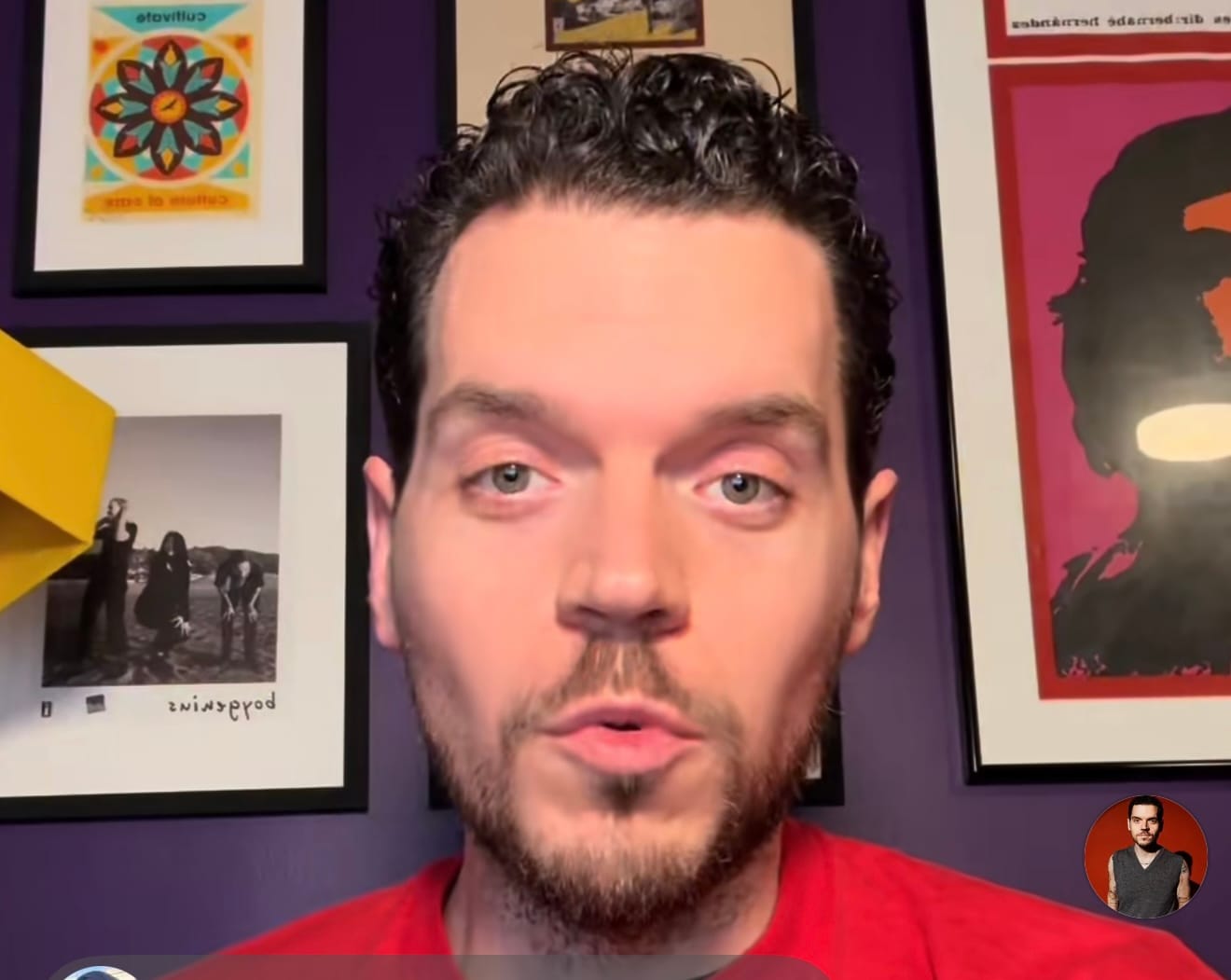
And my work with both my doctor and dietitian this year prepared me for gaining weight upon leaving. My dietitian and my doctor both explained to me that because I had restricted my eating for so long, it screwed up my metabolism. That when people come out of anorexia, they work with them to slowly add calories to get their metabolic rate to a normal place. I didn’t know any of that. They told me my body would desperately store fat because it didn’t want to starve again. I didn’t know I was technically starving myself. But when I look back, I can see it. Getting terrible sleep, having no energy, constantly being freezing cold, losing my hair. Women and female-bodied people would lose their periods, and that was normal. I know people who left this program, got their periods back, and struggled with infertility as a result. And all of this under the guise of “recovery from food addiction.”
What I have realized, however, is that it is and was always about weight management, not food addiction (which I don’t believe is a thing and the science agrees with my assessment.) If someone was overweight or fat, even if they are “abstinent,” you are told that their honesty should be in question. “How could they be abstinent if they are fat or overweight?” For years, you couldn’t be a voting member of the organization if you weren’t in a “credible body size,” whatever that means.
I was 18 when I joined. A kid. And I was a suicidal kid who, when I joined, was discouraged from seeking help in therapy or getting medication because “we don’t seek outside help” and “you have everything you need here.” I was told and believed that if I left, I would die. Well, at first I would lose all the good things in my life—my job, my house, my family—and then I would die. I needed a higher power and the strict rules around food and the structure and rigidity and black-and-white thinking in order to be okay.
Well, that couldn’t be further from the truth. I’ve put on a healthy amount of weight, which I’m now maintaining. I’m learning to accept my new body and accept that being stick-thin like I was is not necessarily well. I’m learning to trust myself, which I realized I didn’t know how to do because I had relied on a sponsor to tell me what to do for 16 years. I’m learning how to have a normal relationship with food. I’m learning I can have a piece of cake on my birthday and I won’t die. I’m processing this and some abuse I experienced in that program, and I have the help of some amazing professionals to navigate it. It’s been really hard, I won’t lie. While I haven’t binged or restricted or purged or anything like that since I left, which is what I was told would happen if I had even a bite of flour or sugar, I have been navigating a lot of body dysmorphia and a lot of shame around things that I took part in for so long that are completely against my values. It’s been a very rough road unpacking all of this, and I know I have years of deprogramming to do because it hasn’t even been a year since I left, but I also know I’m going to be okay.
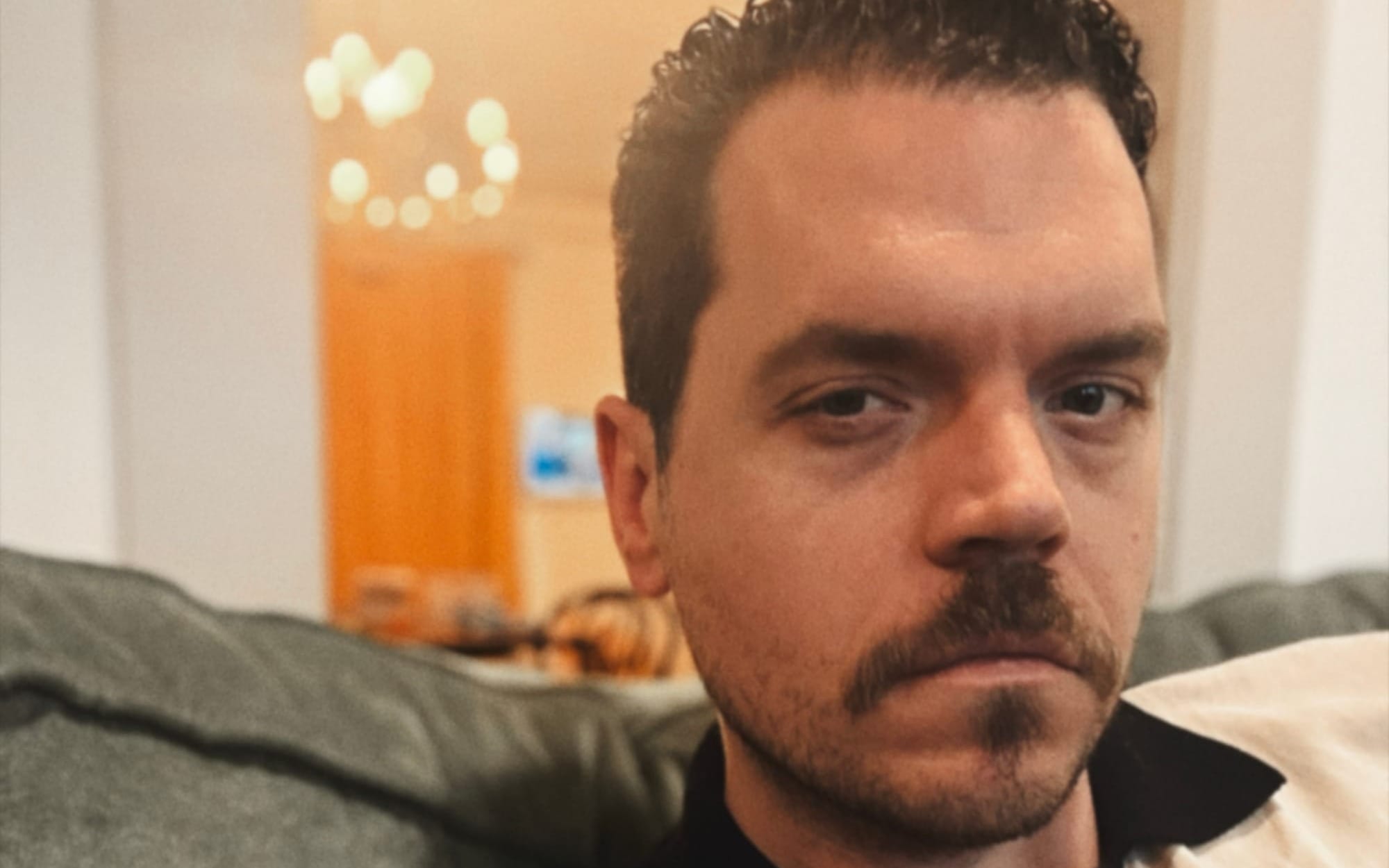
So I had a piece of birthday cake yesterday for the first time in 17 years. It was delicious. And the freedom to make that choice, to trust myself and my decisions, knowing it wasn’t “my disease” making that choice, was even more delicious. I’m not spiritually, mentally, or physically sick. I’m a good person who came from deep trauma, who struggled to find help, who was taken advantage of as a suicidal child and was failed by adults, and who was brainwashed by rhetoric that is rooted in fatphobia for 16 years, and I’m finally finding my voice and making my own choices.
And I may even have another slice of cake today.